
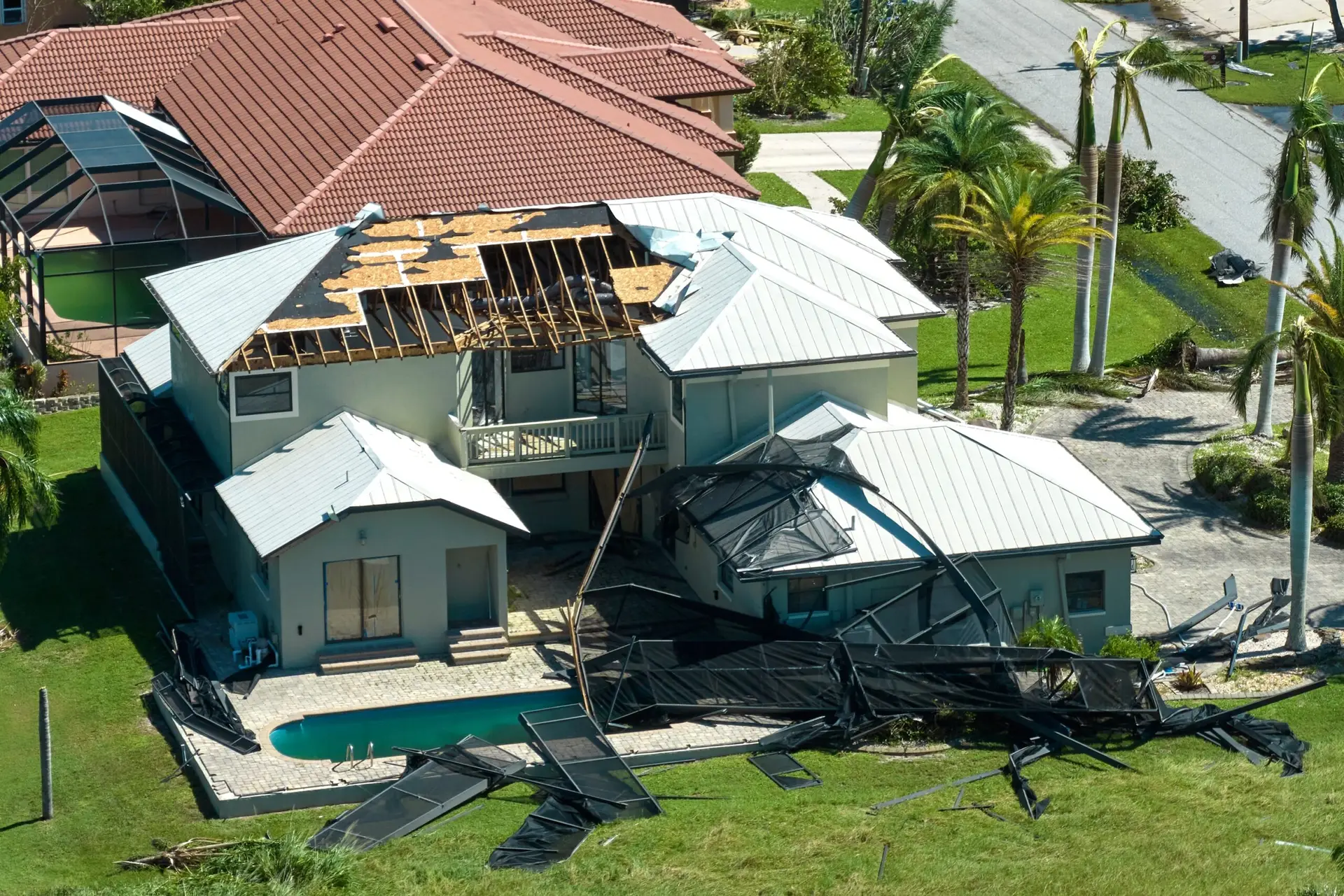
Living in Tampa means being no stranger to hurricanes, tropical storms, and sudden downpours. After the skies clear, though, it’s easy to assume your home made it through unscathed, especially if there’s no water dripping from the ceiling. But the truth is, not all storm damage is obvious right away.
In this post, we’ll show you what signs to look for after a storm hits, how to spot hidden roof and siding damage, and what steps to take next to keep your home safe. Tampa’s weather can be unpredictable, but your storm response plan doesn’t have to be.
🌪️ Why Post-Storm Inspections Matter in Tampa
Tampa’s mix of coastal winds, driving rain, and flying debris can wear down even well-built homes. Over time, minor damage becomes major. Shingles loosen, siding cracks, and water finds a way in. Inspecting your home after every major weather event helps you catch problems early, before mold, rot, or structural damage set in.
🔍 What to Look For After a Storm
Use this checklist to spot visible signs of damage, even if you’re not climbing on the roof.
1. Missing or Lifted Shingles
High winds can peel back shingles or strip them entirely, especially on older roofs. Look for bare spots or edges sticking up like a flap.
2. Debris Impact Dents
Hail and flying branches can cause dings, dents, or cracks in your roofing, gutters, or siding. Walk the perimeter of your home and check all visible surfaces.
3. Water Stains Inside
Check your ceilings, corners, and upper walls for any new water spots, bubbling paint, or musty smells. Even small signs of moisture could mean a leak.
4. Granules in Your Gutters
If you notice a sandy buildup in your gutters or downspouts, your shingles may be shedding their protective coating.
5. Damaged Flashing or Roof Vents
These metal components help waterproof your roof’s edges, valleys, and vents. If they’ve shifted or rusted, water may sneak in.
6. Warped or Cracked Siding
Moisture behind siding can cause it to bubble or warp. Impact damage might create visible cracks, especially around corners.
7. Gutter Separation or Sagging
Strong rain can pull gutters away from your home or cause sections to sag—affecting water drainage and foundation safety.
🛠️ What to Do if You Spot Damage
Don’t panic, but don’t wait either. Here’s what we recommend:
✅ Document the Damage
Take clear photos or videos of anything you see, both up close and from a distance. This helps with insurance claims or repair planning.
✅ Schedule a Professional Inspection
Some damage hides beneath the surface. Weathershield offers full post-storm inspections so you can get peace of mind before the next cloud rolls in.
✅ Make Immediate Repairs if Needed
Quick repairs (even temporary ones) can prevent thousands in future damage. If your roof or siding is compromised, act fast.
📋 FAQ: Storm Damage Inspections
Q: How soon after a storm should I check for damage?
A: As soon as it’s safe to go outside. The sooner you document damage, the better your chances with insurance or early repairs.
Q: Can I see roof damage without getting on the roof?
A: Yes. Use binoculars or a drone if you have one, and check for curled shingles or debris. Our team can do a full roof walk for you safely.
Q: Will insurance cover storm damage?
A: Often, yes. Coverage depends on your policy, the type of damage, and documentation. We help homeowners document everything thoroughly.
Q: What if I don’t see damage but still feel unsure?
A: It’s smart to get a professional inspection after major storms, especially in older homes. Small leaks or gaps can be invisible at first.